What Fish Can You Catch Near Orlando: Species By Charter Type
Orlando sits inside one of the richest fishing regions in Florida: trophy bass lakes to the south, a saltwater lagoon system to the east, and the Atlantic Gulf Stream reachable from Port Canaveral. The fish you catch depends almost entirely on which of the site's three charter categories you book, so this guide breaks the species down lake by lake, lagoon by lagoon and reef by reef.
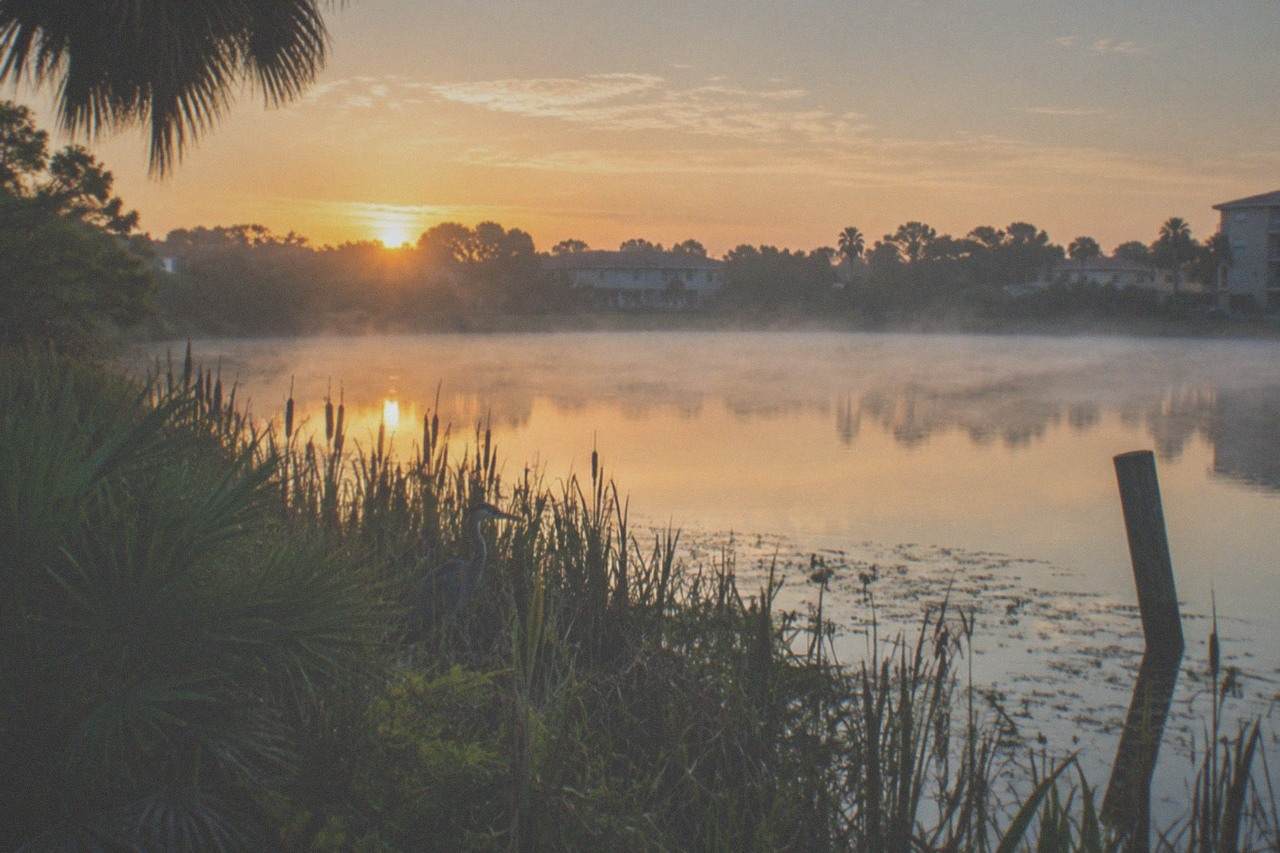
Short answer
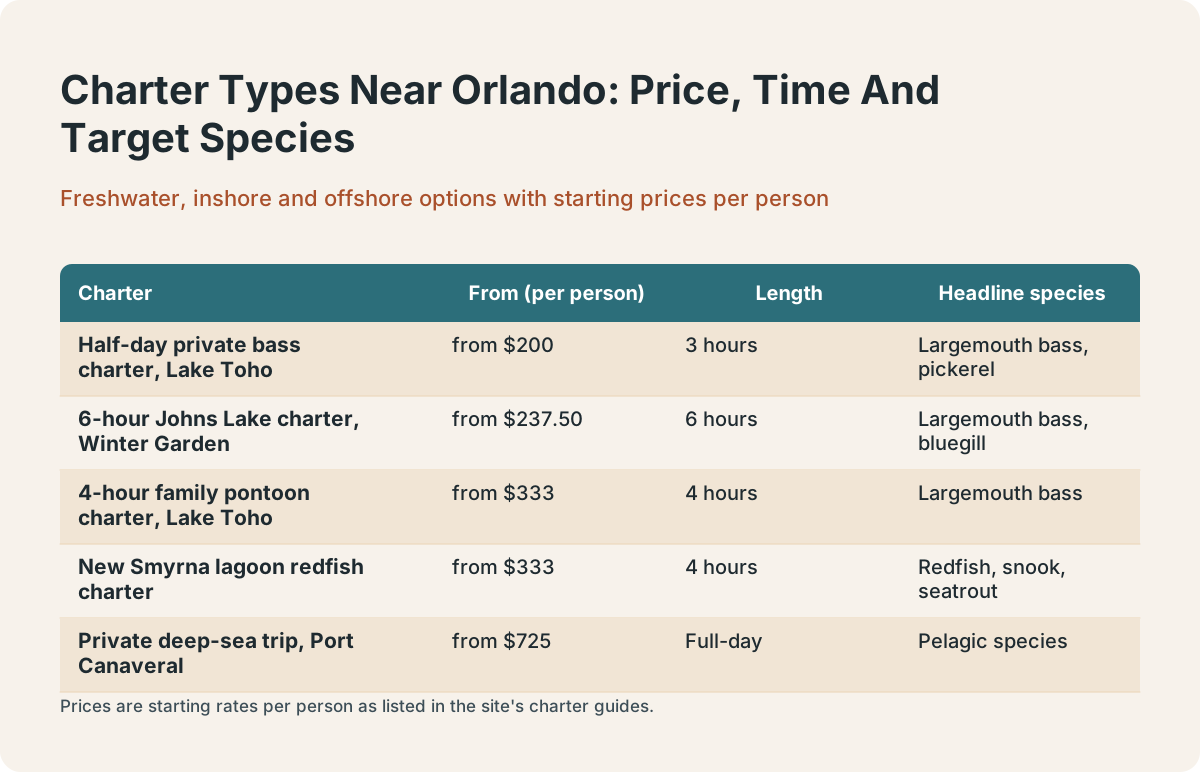
Near Orlando you can catch largemouth bass, pickerel and bluegill on the freshwater lakes, redfish, snook and spotted seatrout in the inshore lagoon, and snapper, grouper, mahi, kingfish, wahoo and tuna offshore from Port Canaveral. A half-day Lake Toho bass charter starts at $200 per person; a private deep-sea trip starts at $725.
What Fish Can You Catch Near Orlando?
Orlando anglers can target three entirely different fish families within an hour of the theme parks: largemouth bass and pickerel on the Kissimmee lakes, redfish, snook and spotted seatrout in the inshore lagoon system, and snapper, grouper, mahi, wahoo and tuna in the Atlantic offshore from Port Canaveral. The roster of bookable charters on this site splits cleanly along those same three lines.
The geography explains the variety. Orlando sits at the top of the Kissimmee Chain of Lakes, one of the most celebrated trophy bass fisheries in the United States, with Lake Tohopekaliga roughly 25 to 30 minutes from the Disney area. Drive 45 to 60 minutes east and you reach Port Canaveral, where the continental shelf drops away and the Gulf Stream pushes pelagic species within reach of a full-day charter. Between the two lies the Indian River Lagoon system, a shallow estuary that holds redfish, snook and seatrout year-round.
That means a visitor planning a single fishing day has a genuine choice to make, and it is not a small one. A 4-hour family pontoon charter on Lake Toho, from $333 per person, produces a completely different catch list than a private deep-sea trip from Port Canaveral at from $725 per person. This guide walks through what each category actually produces, season by season, so the fish you want dictates the charter you book.
Freshwater Bass: Largemouth, Pickerel And Bluegill On The Kissimmee Lakes
The freshwater lakes south and west of Orlando produce largemouth bass as the headline species, with chain pickerel, bluegill and shellcracker as supporting catches. Lake Toho is the flagship fishery, and a half-day private bass charter there starts at $200 per person and runs 3 hours. The current lake record territory is real: tournament anglers weighed a 37 lb 1 oz single-day bag on the Kissimmee Chain in March 2026.
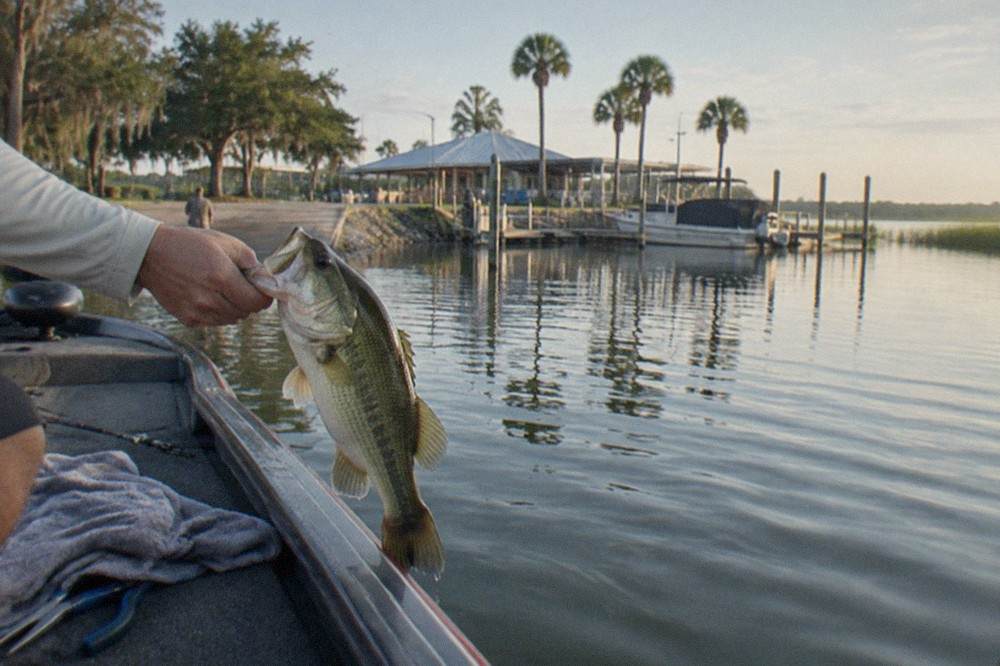
Largemouth bass are the reason the Kissimmee Chain keeps appearing on national tournament schedules. In early March 2026, Alec Morrison won an MLF Toyota Series event on the chain with a record 90 lb 14 oz total over three days, including that 37 lb 1 oz single-day bag, a figure that made national fishing coverage. A June 2026 championship on Lake Toho itself was won with 34.12 pounds over two days, and the runner-up's big bass weighed 7.98 lb. Florida-strain largemouth grow fast and large in these shallow, vegetation-rich lakes, and FWC surveys have shown high densities of the Florida strain on Lake Toho specifically.
The practical version for a visitor: charter reports from the summer of 2026 described 15 to 25 bass per morning on Lake Toho, with recent fish of 9 lb 11 oz and 7 lb in the mix. Charter crews commonly credit FWC vegetation management, including spraying topped-out grass, with concentrating fish and improving the trophy potential.
Pickerel and bluegill round out the lake catch. The half-day private bass charter out of Big Toho Marina, the most-reviewed Lake Toho listing at 4.9 across 48 reviews, explicitly targets largemouth bass and pickerel, and the 6-hour Johns Lake charter out of Winter Garden, 5.0 across 53 reviews, lists bluegill alongside largemouth bass, with its price shown on the live booking page. Bluegill are the default option for kids and first-timers because they bite willingly and the action is constant.
| Lake | Headline Species | Supporting Species | Example Charter |
|---|---|---|---|
| Lake Tohopekaliga (Lake Toho) | Largemouth bass | Pickerel | Half-Day Private Bass Charter, 4.9 from 48 reviews, from $200 |
| Butler Chain of Lakes | Largemouth bass | 4-Hour Butler Chain Private Charter, 5.0 from 64 reviews, from $257.50 | |
| Johns Lake | Largemouth bass | Bluegill | 6-Hour Johns Lake Bass Charter, 5.0 from 53 reviews, from $237.50 |
| Lake Apopka | Trophy largemouth bass | Bluegill | Lake Apopka Trophy Bass Charter, 5.0 from 16 reviews, from $225 |
One licence point matters before anything else here. No freshwater charter on this roster bundles a fishing licence into the price, and a freshwater guide's own licence does not cover paying clients under Florida rules. Every angler on a bass charter needs their own Florida freshwater licence, which costs a non-resident $17 for a 3-day licence. The details, and the licence-free weekends that waive the requirement, are covered in the site's dedicated Florida non-resident licence cost guide.
Inshore Saltwater: Redfish, Snook And Seatrout On The Lagoon
The inshore category fishes the lagoon system between the mainland and the barrier islands, and the three species that define it are redfish, snook and spotted seatrout, all available year-round. The New Smyrna lagoon redfish charter runs 4 hours from $333 per person, and a paying passenger on a licensed saltwater charter is exempt from needing their own licence.
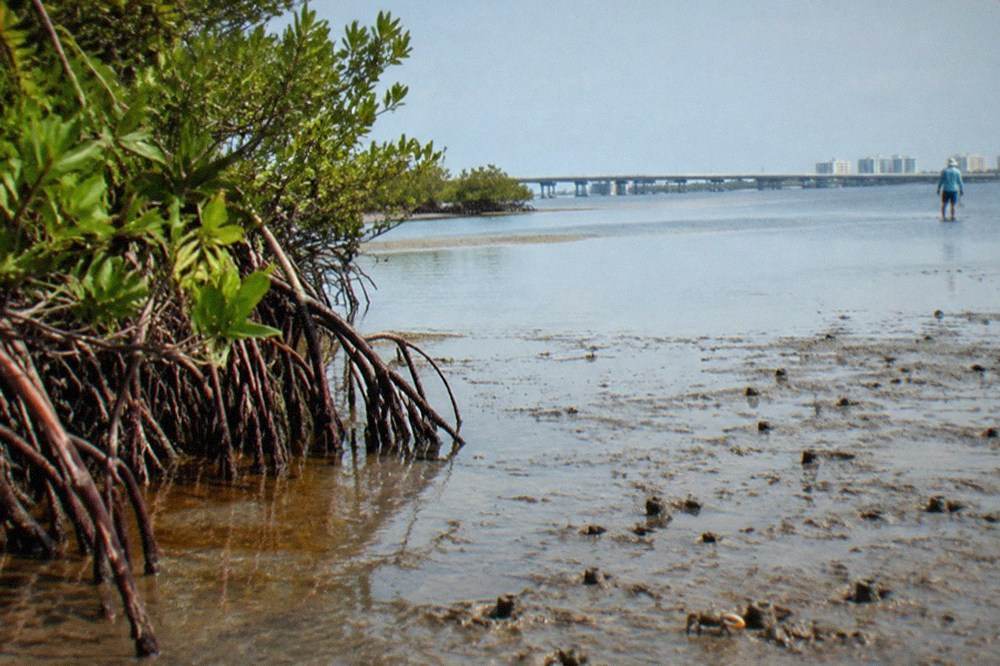
Redfish are the lagoon's signature fish. October is widely cited as one of the finest months for large redfish schools on the flats, and cool-season fishing from October through May is generally considered prime, but redfish feed in the lagoon every month of the year. One regulation matters more than any other for a visiting angler: the Indian River Lagoon management region is catch-and-release only for red drum, a rule confirmed in multiple 2026 sources aligned with FWC. Statewide, where harvest is allowed, the slot is 18 to 27 inches with a limit of one per harvester per day, but in the lagoon you fish them for the fight and the photo, not the fillet.
Snook follow a different rhythm. The snook harvest season in this management region runs February 1 through May 31 and September 1 through December 14, with a 28 to 32 inch slot and a one-fish daily bag when open, per FWC announcements in effect through 2026. Catch-and-release fishing remains allowed during the closed months. April is a peak snook month as fish stage before migration, and January cold snaps concentrate both snook and redfish near warm-water spots, which local captains use to their advantage.
Spotted seatrout carry their own new rules. Effective April 1, 2026, the Indian River Lagoon region moved to a two-fish daily bag per person, a 15 to 19 inch slot with no over-slot allowance, and an open season of January 1 through October 31, per FWC's approved regional management. Gator trout, the oversized fish that draw anglers from across the country, are best from October through May, especially around cold fronts from December to February.
| Species | Peak Availability | Keep Or Release | Key Rule |
|---|---|---|---|
| Redfish | Year-round, schools peak October | Catch-and-release only in the IRL region | No harvest in the lagoon management region |
| Snook | Prime April, strong October through May | Harvest allowed in season | Feb 1 to May 31 and Sept 1 to Dec 14, one per day, 28 to 32 inches |
| Spotted seatrout | Gator trout best October through May | Harvest allowed in season | Two per day, 15 to 19 inches, closed November and December |
The lagoon itself is in better shape than it has been in years, which directly affects what you catch. Seagrass in the Indian River Lagoon system more than doubled in acreage between 2021 and 2025, reaching 42,112 acres lagoon-wide per SJRWMD aerial mapping, and Mosquito Lagoon rated "good" overall in the Marine Resources Council's 2025 report, the only basin to earn that mark two years running. More grass means more bait, and more bait means more redfish, snook and trout on the flats.
The licence situation is the mirror image of the lakes. Florida exempts individuals saltwater fishing from a for-hire vessel holding a valid charter licence, so on the inshore charters in this roster the operator's licence covers the passengers; ask your captain to confirm before the trip. The inshore Cape Canaveral charter, from $387.50 per person, states the licence is included on its own listing, the clearest example on the roster.
Deep-Sea From Port Canaveral: Snapper, Grouper, Mahi And Pelagics
Offshore charters from Port Canaveral, 45 to 60 minutes from Orlando, reach reef fish and open-ocean pelagics: red snapper, gag grouper, king mackerel, mahi, wahoo, cobia and blackfin tuna. The site's most-reviewed deep-sea listing, a private charter running 5 to 9 hours, is rated 5.0 across 49 reviews and starts at $725 per person.
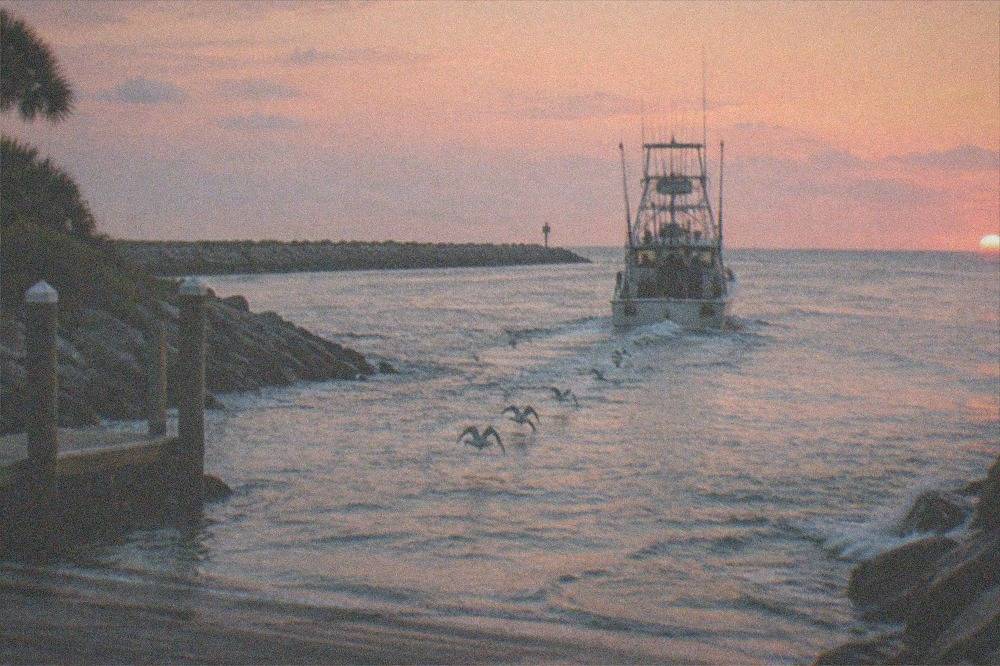
The reef and bottom fish come first on most trips. King mackerel are the reliable nearshore target, and summer 2026 reports from Port Canaveral charters described good action with kingfish and dolphin on slow trolling near the Pelican and 8A reefs, plus bottom catches of gag and red grouper and triggerfish. Gag grouper have a defined Atlantic season, open May 1 through August 1, 2026, so a September bottom trip targets other species instead. Red snapper are the headline bottom fish but tightly managed: the 2026 recreational Atlantic season runs October 9 through 22, with a one-fish daily bag and no minimum size, and participants must declare trips through the FWC reporting system per the official snapper rules at myfwc.com.
The pelagic fish are why anglers book the longer trips. Mahi peak in May and run strong again August through October; wahoo are best in spring and fall; yellowfin tuna run early April through July; and sailfish spike in January, May and June as the winter push moves through. A June 2026 report from the Canaveral grounds logged wahoo to 45 pounds, chunky blackfin tuna, mahi and cobia on king rigs, and by late September the fall run of mahi, wahoo and blackfin was already starting, with fish holding in relatively shallow water on live bait and bigger fish expected on temperature breaks and weedlines starting around 100 feet of depth. Other pages covering the same trip are gathered on Fishing Tours Orlando.
The private deep-sea charter from Port Canaveral is the roster's flagship for this category, flexible from 5 to 9 hours so the captain can reach the deeper water where the pelagics live. For a lower-cost entry point, the 5-hour deep-sea trip from Cape Canaveral starts at $675 per person, rated 5.0 across 2 reviews, a small pool worth stating plainly rather than dressing up. Neither trip requires you to buy a saltwater licence: the for-hire exemption covers paying passengers, with the same "confirm with your captain" hedge that applies throughout this category.
| Offshore Species | Best Window | Where | Typical Charter |
|---|---|---|---|
| King mackerel | Year-round, strong summer | Nearshore reefs | 5-hour deep-sea, from $675 |
| Red snapper | October 9 to 22, 2026 season | Bottom, state and federal waters | Private deep-sea, from $725 |
| Gag grouper | May 1 to August 1 season | Reefs and wrecks | Private deep-sea, from $725 |
| Mahi (dolphin) | May peak, strong August to October | Weedlines, 100+ feet | Private deep-sea, 5 to 9 hours |
| Wahoo | Spring and fall | Offshore edges | Private deep-sea, 5 to 9 hours |
| Blackfin tuna | April to July, fall run | Offshore, live bait and rigs | Private deep-sea, 5 to 9 hours |
Seasonal Calendar: When Each Species Bites Near Orlando
Bass fishing peaks for trophy fish from December through April, the lagoon fishery is strongest October through May with redfish schools peaking in October, and the offshore bite shifts from sailfish and wahoo in winter to mahi and kingfish in summer, with the red snapper season compressed into a 14-day October window. There is no bad month, only different fish.
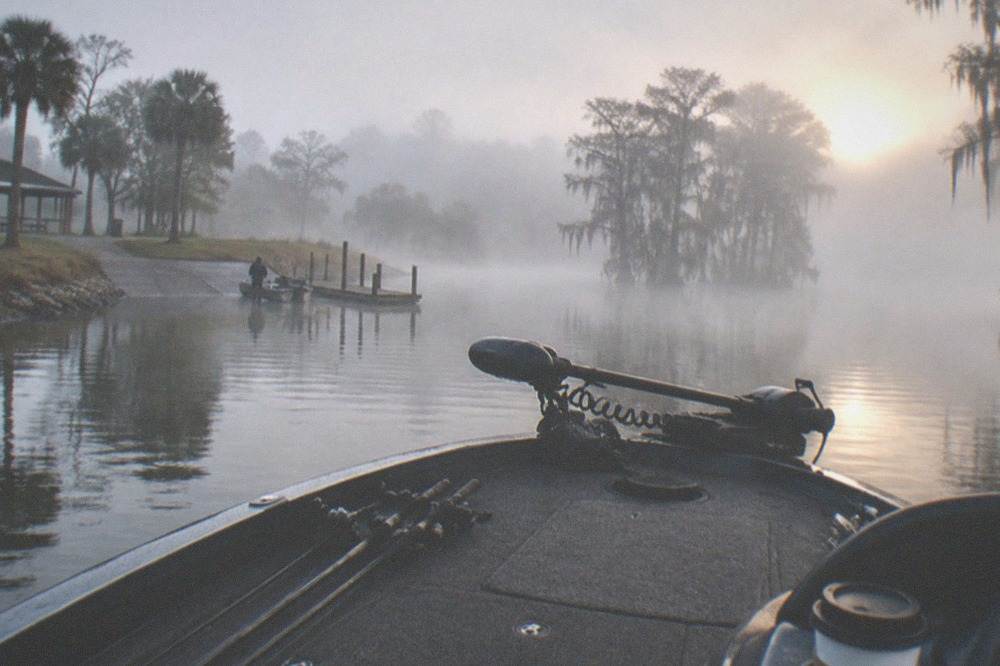
Winter, December through February, is the trophy bass window. Spawning can begin as early as late December in Central Florida once water cools to around 70 degrees, with the most consistent activity in February and peak spawning in March and April when water sits between 62 and 75 degrees. This is when the heaviest fish of the year move shallow, and it is the period the site's best time of year to fish guide covers in detail. On the saltwater side, winter brings the sailfish push, wahoo and blackfin tuna near structure, and January cold snaps that concentrate snook and redfish around warm-water spots.
Spring, March through May, is the strongest all-around season in the region. Bass are on the beds and then feeding hard post-spawn, April is the peak snook month, mahi peak in May offshore, and sailfish spike again in May and June. If a visitor can only fish one week of the year, the second half of April is arguably the safest bet across all three categories.
Summer, June through September, shifts the bass offshore to deeper water and topwater patterns at dawn and dusk, while the lagoon stays productive in the early morning before the flats heat up. Offshore, summer means mahi on weedlines, kingfish nearshore and the tail end of the yellowfin tuna run. The 2026 season also showed the pressure points: sustained water temperatures above 90 degrees triggered a localized fish kill in the Brevard lagoon in September, a reminder that summer trips should start early and end early.
Fall, October through December, is the sleeper. Large redfish schools push onto the flats in October, the mahi and wahoo fall run builds off Canaveral, the red snapper season opens for its 14 days, and bass feed aggressively as they bulk up for winter. Charter crews describe the fall pelagic run as generally not as strong as spring but reliably productive.
Which Charter Category Matches The Fish You Want?
Work backwards from the species: bass and bluegill mean a freshwater lake charter from $165 per person, redfish, snook and trout mean an inshore lagoon charter from $333 per person, and snapper, grouper and pelagics mean a deep-sea trip from $675 per person. Price, duration and licence rules all follow from that one decision.
The lowest entry price in the freshwater roster belongs to the flexible-hours budget bass charter near Disney, rated 4.8 across 24 reviews, and the shortest commitment is the 2-hour short-slot bass charter on Lake Toho at 5.0 across 33 reviews, with the current rate for each shown on the live booking page. Both are genuine options for a family that wants fish in the boat without giving up a whole theme-park day. At the other end of the freshwater scale, the 4-hour Butler Chain private charter in Windermere, 5.0 across 64 reviews and the site's most-reviewed listing, fishes one of Central Florida's clearest bass fisheries.
The inshore category is the middle ground on price and the most consistent on action, because redfish, snook and trout feed year-round. The 4-hour Port Canaveral inshore charter, from $375 per person, is the closest lagoon-style trip to Orlando proper, while the New Smyrna lagoon redfish charter puts you in the heart of the redfish flats at from $333 per person.
| If You Want To Catch | Book This Category | Price Range | Licence Needed |
|---|---|---|---|
| Largemouth bass, pickerel, bluegill | Freshwater bass lake charter | From $165 to $412.50 per person | Yes, your own, $17 for a 3-day non-resident |
| Redfish, snook, spotted seatrout | Inshore saltwater charter | From $333 to $387.50 per person | No, covered by the charter licence, confirm with the captain |
| Snapper, grouper, mahi, wahoo, tuna | Deep-sea offshore charter | From $675 to $725 per person | No, covered by the charter licence, confirm with the captain |
For readers weighing the shared-versus-private question, most of this roster is private by design, and the tradeoffs are laid out in the site's private versus shared charter comparison. The short version: private charters cost more per person but put you on the fish your group wants, rather than the fish a mixed boat can agree on.
Licences And Rules That Affect What You Keep
Freshwater charters require every angler to hold their own licence, at $17 for a 3-day non-resident or $30 for 7 days, while saltwater charters cover passengers under the operator's charter licence. Licence-free weekends in 2027 waive the freshwater requirement on April 3 to 4 and June 12 to 13, and the saltwater requirement on June 5 to 6, September 4 and November 27.
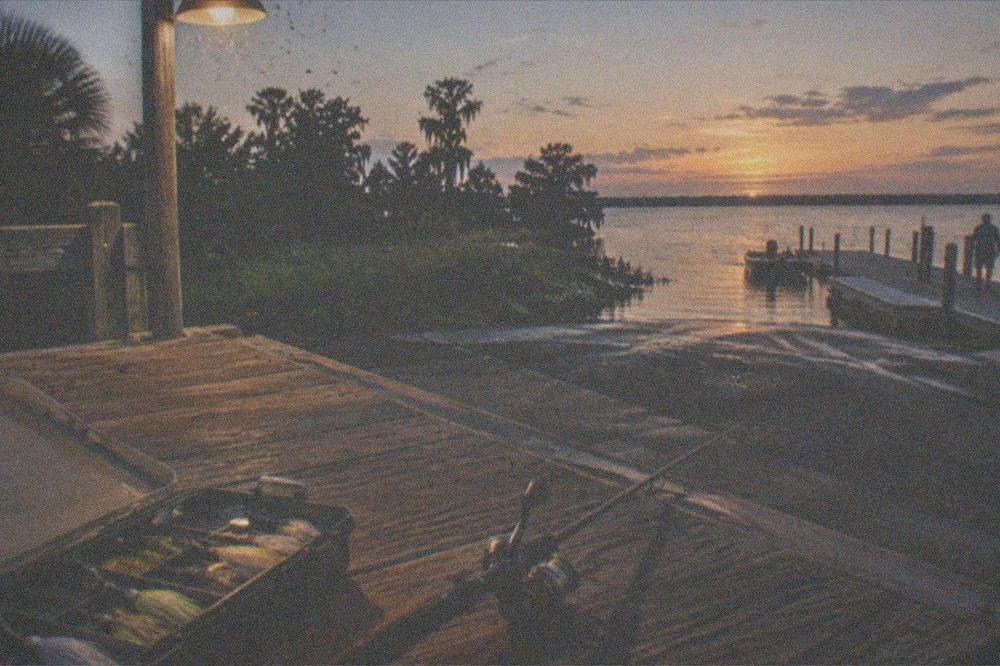
The distinction is the single most misunderstood rule in Florida fishing, and the official exemption list at myfwc.com is unambiguous about it. Saltwater exemptions include individuals fishing from a for-hire vessel that holds a valid charter licence. The freshwater exemption list contains no equivalent: a guide's licence never covers a paying client on a lake. One Lake Toho pontoon listing on this roster even flags the exclusion in its own title, which is the kind of honesty that makes the rule easy to remember.
The fee schedule is identical for freshwater and saltwater if you do need to buy one: a non-resident 3-day licence is $17, a 7-day is $30, and an annual is $47; Florida residents pay $17 annually or $79 for five years. A visiting tourist doing one fishing day wants the 3-day licence unless the charter states otherwise.
What you can keep is a separate question from what you can catch. In the lagoon region, redfish are strictly catch-and-release and seatrout season closes November and December, so a "fish dinner" trip belongs offshore, where the snapper-grouper aggregate and seasonal windows govern the cooler. For bass, check the current limit on MyFWC.com before you go, since bag rules on individual water bodies are exactly the kind of detail that changes. The site's Florida regulations and bag limits explainer carries the full breakdown.
One practical note on cost: Brevard County charter captains discussed adding $50 to $60 fuel surcharges in March 2026 as diesel and gas prices rose, though other long-time guides said surcharges are not common practice and chose to absorb the costs. If a quote arrives slightly above the listing price, fuel is the likely reason, and it is fair to ask the operator directly.
Common Questions About Fish You Can Catch Near Orlando
What fish can I catch in Orlando?
Largemouth bass, chain pickerel and bluegill on the freshwater lakes south of the city; redfish, snook and spotted seatrout in the inshore lagoon system to the east; and snapper, grouper, king mackerel, mahi, wahoo and tuna offshore from Port Canaveral. The charter category you book determines which list you are fishing.
Can you catch redfish near Orlando?
Yes. The New Smyrna lagoon redfish charter, from $333 per person for 4 hours, targets redfish in the lagoon system about an hour from Orlando. Note that the Indian River Lagoon region is catch-and-release only for red drum, so you fish them for sport, not for the table.
What is the best fish to target near Disney World?
Largemouth bass. Lake Tohopekaliga sits 25 to 30 minutes from the Disney area and is one of the top trophy bass lakes in Florida. The half-day private bass charter from Big Toho Marina, rated 4.9 across 48 reviews, starts at $200 per person, and the budget flexible-hours charter near Disney starts at $175.
Do I need a fishing licence to catch these fish?
On a freshwater bass charter, yes: every angler needs their own Florida freshwater licence, from $17 for a 3-day non-resident. On inshore saltwater and deep-sea charters, no: a paying passenger on a licensed for-hire vessel is exempt. Ask your captain to confirm before the trip.
What month has the best fishing near Orlando?
April for the widest spread across all three categories: bass are spawning, snook peak, mahi arrive offshore and sailfish spike. October is the strongest alternative, with big redfish schools on the flats, the fall mahi and wahoo run, and the red snapper season opening.
Can you catch mahi or tuna from Orlando?
Yes, on a deep-sea charter from Port Canaveral, 45 to 60 minutes from Orlando. Mahi peak in May and run strong again August through October, yellowfin tuna run early April through July, and blackfin tuna appear through the summer and fall. The private deep-sea charter runs 5 to 9 hours from $725 per person.