Best Time Of Year To Fish Near Orlando: Month By Month
Orlando fishes well in every month, but what you catch, where, and how changes with the season. This guide maps the year so you can match the right charter to the right window.
Short answer
January through April is the strongest trophy bass window on the Orlando lakes, with February and March the most consistent spawning months. May through October peaks for mahi offshore and schooling bass inshore. Redfish and snook fish well year-round on the lagoon, with October a standout for big redfish schools.
What Is The Best Time Of Year To Fish Near Orlando?
The single best stretch is January through April for trophy largemouth bass on the Kissimmee Chain, with February and March the most consistent spawning months and the highest chance of a fish over eight pounds. If offshore is the goal, May and again August through October are the strongest mahi windows from Port Canaveral, while the inshore lagoon produces redfish and snook in every month of the year.
Orlando is unusual among American fishing destinations because nothing truly shuts down. The bass lakes south of the city, the inshore lagoon system east of it, and the Atlantic Gulf Stream edge off Port Canaveral each follow their own calendar, and the result is a year with no dead month, only shifting priorities. The question is rarely whether the fishing will be good, it is which of the three fisheries is peaking during the week you happen to be in town.
That matters for visitors in particular. Most Orlando travelers are already committed to a week, often tied to school holidays or a cruise departure from Port Canaveral, and the fishing trip has to fit inside it. The good news from the season data is that every part of the year carries at least one strong option, and the sections below map each one.
The site's own roster reflects that spread. The freshwater listings, from the 4-Hour Family Pontoon Charter on Lake Tohopekaliga to the Flexible 3-8 Hour Disney Charter, run all year on the Kissimmee lakes. The inshore charters out of New Smyrna Beach and Port Canaveral fish the lagoon in every season, and the private deep-sea boats from Port Canaveral, including the 5-9 hour private offshore charter, chase whatever the Atlantic is offering that month.
When Is The Best Month To Bass Fish In Florida?
For pure trophy odds, late January through April is the best window to bass fish in Florida, with the prespawn and spawn bringing big female largemouth into shallow water where they are easiest to reach. March 2026 made the point on record: an MLF Toyota Series event on the Kissimmee Chain was won with a three-day total of 90 lb 14 oz, a historic weight, and the winning single-day bag alone weighed 37 lb 1 oz.
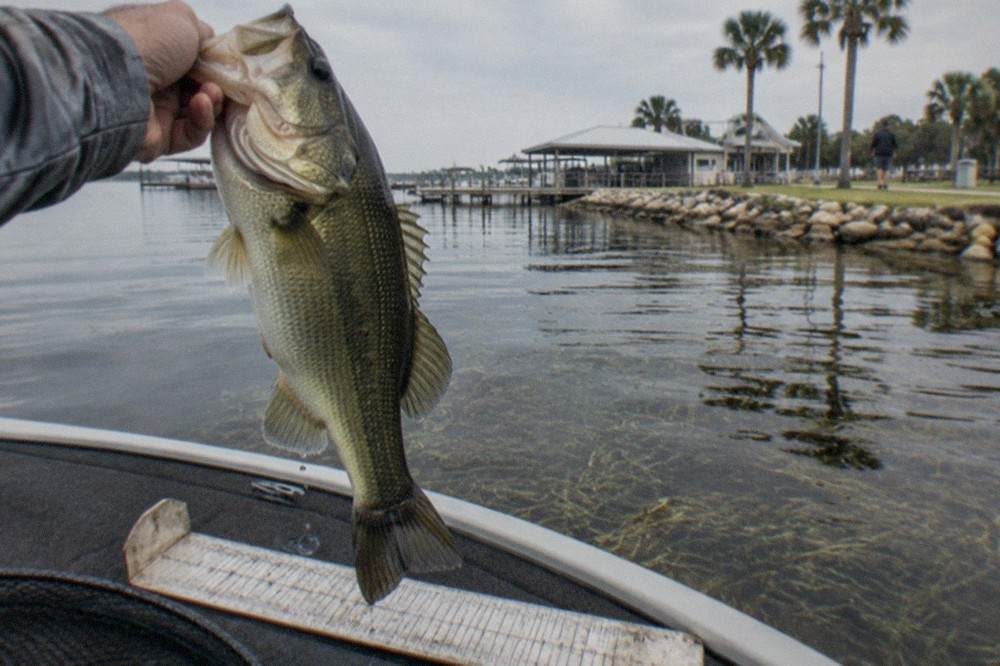
The biology behind that window is well documented. Florida bass begin spawning when water temperatures settle into the 62 to 75 degree range, and in Central Florida that can start as early as late December, with the most consistent activity in February and peak spawning statewide in March and April. Cold fronts that drop water temperatures into the 60s, followed by warming, trigger waves of fish onto the beds. Guides call it the trophy window for a simple reason: a female carrying eggs is the heaviest fish in the lake, and during the spawn she is in the shallowest, most reachable water she will visit all year.
The tournament record from 2026 backs the pattern on the specific lakes this site covers. In March, Alec Morrison won the Toyota Series event on the Kissimmee Chain with that record 90 lb 14 oz total. In June, after the spawn had passed, James Topmiller won the American Fishing Tour Division 21 championship on Lake Tohopekaliga with 34.12 pounds over two days, and a 7.98 lb big bass took runner-up honors. Summer still produces, as guide reports from late June on Lake Toho noted 15 to 25 bass per morning with fish to 9 lb 11 oz, but the weights and the depth pattern change: post-spawn bass from May through September school over deeper offshore structure and feed hardest at dawn and dusk.
| Period | Bass pattern on Orlando lakes | What to expect |
|---|---|---|
| Dec, late | First spawning waves if water cools to ~70F then warms | Early trophy shots, hit-or-miss fronts |
| Jan-Apr | Prespawn and peak spawn, shallow movement | Best trophy window of the year |
| May-Sep | Post-spawn schooling, deeper water, dawn/dusk topwater | High numbers, lower trophy odds |
| Oct-Dec | Fall feeding binge as fish bulk up for winter | Aggressive, weather-dependent |
For visitors, the practical translation is that a spring trip can reasonably target a personal-best fish, while a summer trip is better framed as a numbers trip with kids or a mixed group. The half-day private bass charter out of Big Toho Marina, rated 4.9 across 48 reviews and from $200 per person, is a natural fit for the spring window because its three-hour slot covers the first-light bite when spawning fish are most catchable. Our Lake Toho bass fishing guide covers that lake's seasons in more depth.
Which Charter Category Fits Which Month?
Bass lake charters peak January through April, inshore lagoon charters are strongest October through May with redfish and snook available all year, and deep-sea trips from Port Canaveral have two peaks: May for mahi and January plus May-June for sailfish. Every month of the year fits at least one of the three categories, so the calendar rarely forces a bad choice, it just changes which boat you should be on.
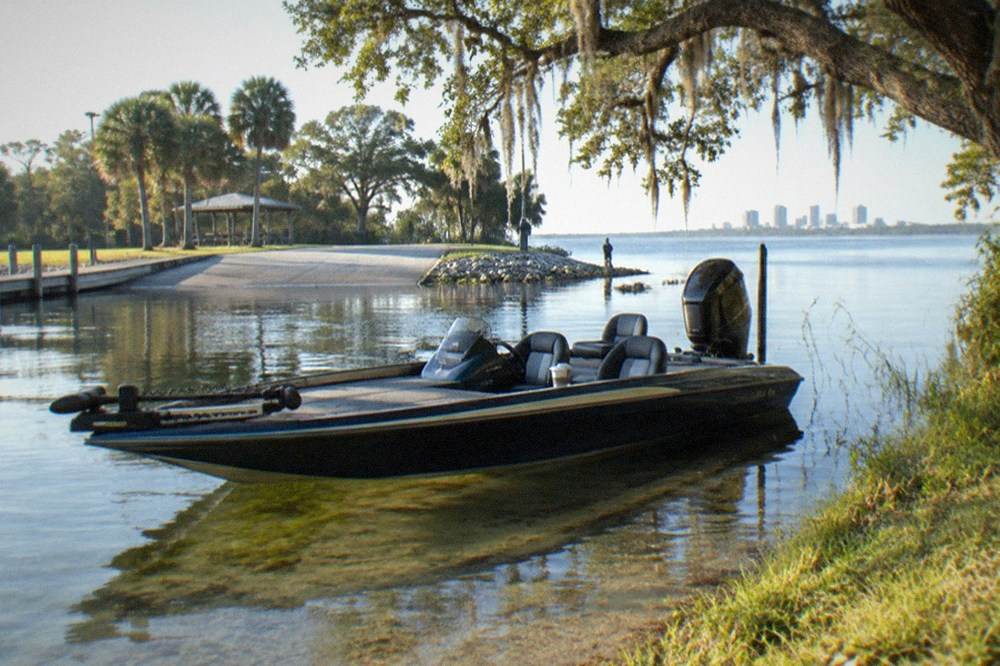
The cleanest way to plan is to match the month to the fishery. Winter visitors, and Orlando gets plenty of them, should default to the bass lakes, because the spawn makes January through April the best big-fish stretch of the year and the lakes sit 25 to 30 minutes from the Disney corridor. Spring visitors can genuinely pick any of the three: April is peak snook season on the lagoon, the bass spawn is still going, and the offshore spring run brings wahoo and the start of the mahi push.
Summer tilts the balance. Bass fishing stays productive in the early morning, but midday heat pushes fish deep and the afternoon bite slows. The lagoon in summer is in snook harvest closure, though catch-and-release fishing remains open and productive. Offshore, summer is the mahi season on weed lines and debris, with king mackerel nearshore. Fall belongs partly to the offshore fleet, with mahi, wahoo and blackfin tuna appearing off Port Canaveral from mid-September, and partly to the lagoon, where October is one of the finest months for large redfish schools on the flats.
| Month | Best category near Orlando | Why |
|---|---|---|
| Jan | Bass lakes, offshore | Peak spawn building; sailfish push offshore |
| Feb-Mar | Bass lakes | Most consistent spawning months |
| Apr | Bass lakes or inshore | Late spawn; peak snook staging on the lagoon |
| May | Offshore | Mahi peak; sailfish spike |
| Jun-Jul | Offshore or bass | Summer mahi, kingfish; early-morning bass |
| Aug-Oct | Offshore | Second mahi run, wahoo, blackfin tuna |
| Oct | Inshore | Big redfish schools on the flats |
| Nov-Dec | Bass lakes | Fall feeding binge; first winter spawning waves |
The half-day Lake Toho charter is the roster's most-reviewed Lake Toho listing at 4.9 across 48 reviews, and it fits the winter and spring rows of that table best. For the summer rows, the 4-Hour Port Canaveral Inshore charter, from $375 per person, keeps you on the water without a long offshore commitment. If the table points you offshore, our deep-sea fishing from Port Canaveral guide breaks down what those trips include.
Whichever row of the table you land on, it is worth booking the boat before you lock the rest of the week. The strongest captains fill their prime months first, especially the February and March spawn slots on the lakes and the May mahi window offshore, and a reservation made early costs nothing extra to move if your plans shift.
What Are The Inshore Saltwater Seasons Near Orlando?
Redfish, snook and spotted seatrout are available in the lagoon year-round, with October through May the prime cool-season stretch and October a standout month for large redfish schools on the flats. Snook harvest seasons run February 1 through May 31 and September 1 through December 14 in the Indian River Lagoon region, and catch-and-release fishing stays open the rest of the year.
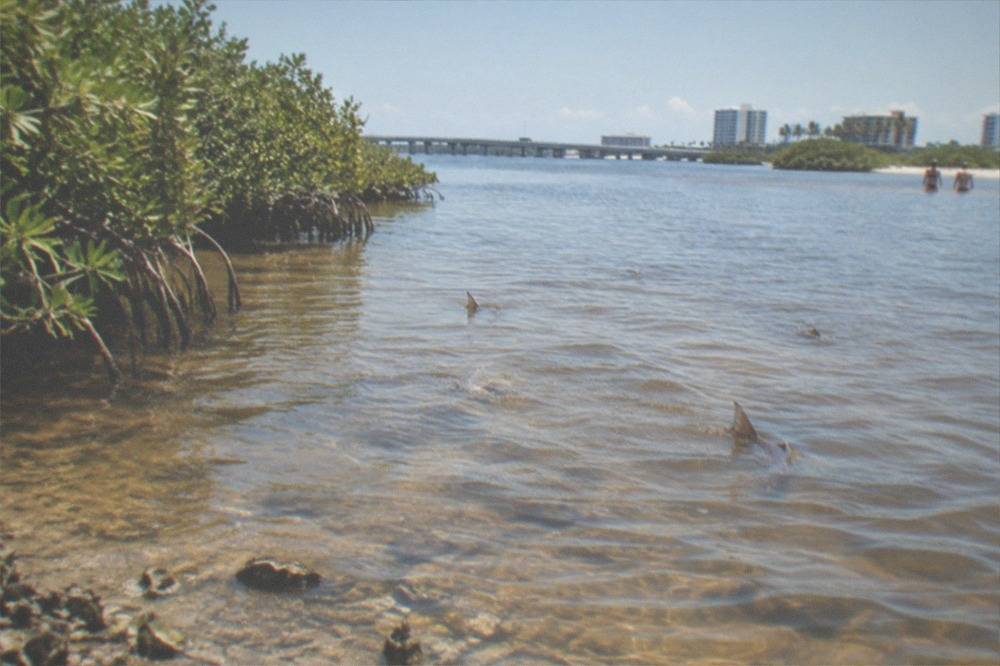
The inshore fishery east of Orlando centers on the Indian River Lagoon system, including Mosquito Lagoon and the Banana River, and it fishes in every month. The cool season from October through May gets the most praise from Space Coast guides. October is repeatedly singled out for big redfish schools pushing across the flats, January concentrates snook and redfish near warm-water spots after cold snaps, and April marks peak snook season as fish stage before their coastal migration. Gator-sized seatrout are best from October through May too, especially around cold fronts from December to February.
Two regulation points shape the calendar, and both come from FWC. The Indian River Lagoon redfish management region is catch-and-release only, distinct from statewide harvest rules, so any redfish you hook in the lagoon goes back regardless of season. Spotted seatrout picked up new regional rules effective April 1, 2026: in the IRL region the recreational bag limit is two fish per person, the slot is 15 to 19 inches, and the season is open January 1 through October 31, closed November 1 to December 31. The FWC coastal species regulations page carries the current details.
There is also an ecological reason for optimism right now. Seagrass is the nursery and the pantry for redfish and trout, so the fishery's foundation is stronger than it has been in over a decade, even if coverage remains below the historical peak of 80,436 acres set in 2007. For an angler picking a month, the practical meaning is that the October-through-May prime stretch is being fished over more grass and more fish than at any point since the early 2010s.
The New Smyrna Lagoon Redfish Charter, from $333 per person, fishes exactly this system in a four-hour format, and the inshore Cape Canaveral charter from $387.50 per person is another option with the saltwater for-hire licence exemption applying to passengers on both. Our Mosquito Lagoon inshore fishing guide compares the lagoon's sub-basins if you want the full picture.
What Are The Deep-Sea Seasons From Port Canaveral?
Deep-sea fishing from Port Canaveral is productive year-round thanks to the nearby Gulf Stream, with mahi peaking in May and again August through October, sailfish spiking in January, May and June, wahoo strong in spring and fall, and yellowfin tuna running early April through July. The 2026 Atlantic red snapper recreational season, by comparison, is a short October 9 to 22 window that requires advance trip declaration.
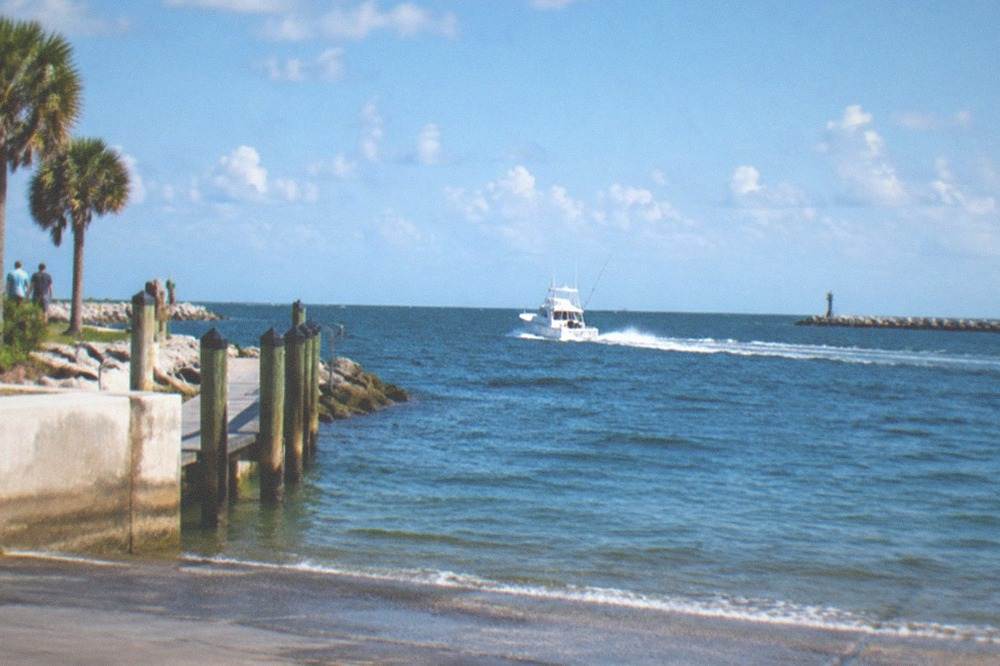
Port Canaveral sits roughly 45 to 60 minutes from Orlando via SR-528, and its offshore fleet works one of the most accessible Gulf Stream edges on the Atlantic coast. Winter, December through March, belongs to sailfish, wahoo and blackfin tuna near structure and temperature edges. Spring brings the first big mahi push and continued wahoo action, with yellowfin tuna running early April through July. Summer concentrates mahi on weed lines and debris with king mackerel nearshore, and by mid-September the fall run starts: mahi, wahoo and blackfin tuna appearing off the port, with fish showing in relatively shallow water on live bait and bigger concentrations expected on temperature breaks and weedlines starting around 100 feet of depth.
The red snapper situation deserves its own note because it is the most time-sensitive fishery on the calendar. The 2026 recreational Atlantic season runs just 14 consecutive days, October 9 through 22, in state and federal waters, with a one-fish-per-person daily bag limit, no minimum size, and a mandatory trip declaration through the FWC reporting system before you leave the dock. A second December season was still under evaluation based on the October data. Anyone targeting snapper specifically needs to build the trip around those dates; anyone else will barely notice them, since the rest of the offshore fishery runs regardless. The FWC Atlantic red snapper page has the declaration requirements.
The roster's flagship offshore option is the private deep-sea charter from Port Canaveral, rated 5.0 across 49 reviews and from $725 per person, running 5 to 9 hours with the length matched to the day's targets. The 5-Hour Deep-Sea charter from $675 per person is the shorter entry point for visitors who want the offshore experience without committing a full day. Passengers on both are covered by the saltwater for-hire licence exemption, though it never hurts to ask your captain to confirm.
How Does Weather And Water Level Change The Timing?
Cold fronts from December through February briefly slow the bass bite but concentrate lagoon fish near warm-water spots, extended drought can reduce shallow vegetation on the Kissimmee lakes as it did in fall 2026, and late-summer water temperatures above 90 degrees have triggered localized lagoon fish kills in September, so the season windows above are averages rather than guarantees.
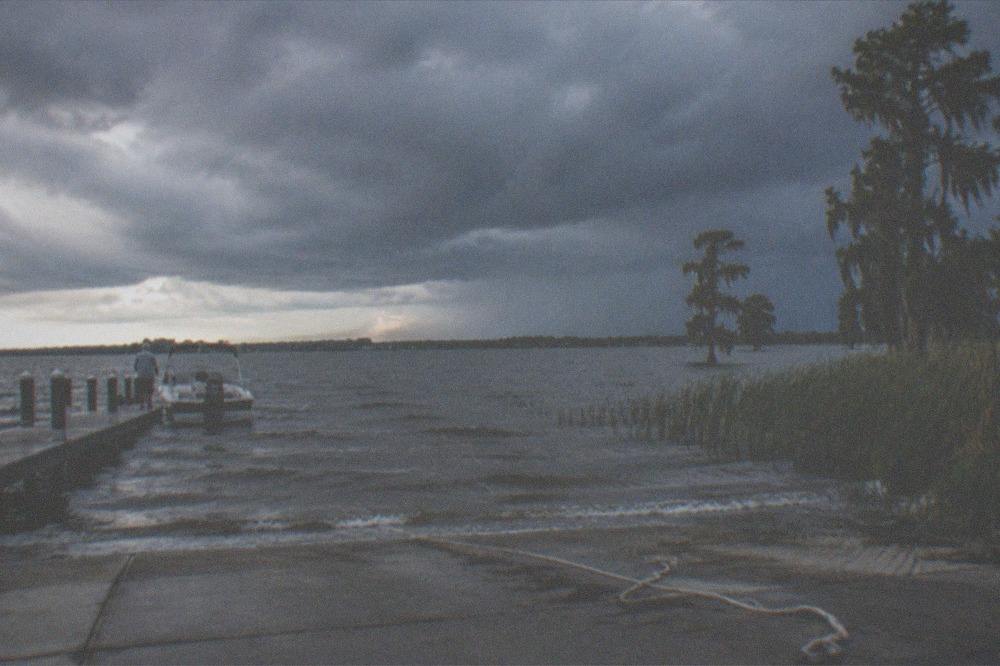
The 2026 season supplied a case study in how much the calendar can bend. An extended drought dropped water levels on the Kissimmee Chain ahead of the September MLF Tackle Warehouse Pro Circuit Championship, reducing the shallow vegetation that normally holds fish, and the field adapted with topwater and deeper patterns. Drew Gill still won with 75 lb 3 oz over three days, proof that low water changes where the fish are more than how many there are. A spring visitor in a similar year may find guides fishing different spots than the classic spawning flats, which is one more argument for hiring a local rather than reading the water yourself.
On the saltwater side, the February 2026 cold snap produced more than two dozen fish kill reports in the lagoon system, though impacts ran far lighter than the 2010 freeze and the system showed resilience. In September 2026, sustained water temperatures above 90 degrees, storm runoff and low oxygen triggered a localized fish kill between two Brevard causeways. None of this collapsed the fishery, and the overall lagoon health assessment reported no major die-offs in the assessed period, but it is a reminder that mid-summer and mid-winter extremes are the two stretches where a last-minute check with your captain matters most.
Wind and sea state matter more offshore than any of this. The private deep-sea boats from Port Canaveral watch the forecast closely, and a 5 to 9 hour trip booked months ahead can be rescheduled when an Atlantic swell makes the stream edge unfishable. Free cancellation on the live listing makes a shoulder-season booking lower-risk than it sounds: pick the month from the tables above, book early for the best slots, and let the captain call the weather.
What Should You Book For Your Specific Month?
Book a bass lake charter for December through April, an inshore lagoon charter for October through May or any summer month when you want a shorter saltwater commitment, and a deep-sea charter for May through October if mahi and tuna are the goal, or January for sailfish. Families with kids should lean toward the pontoon and half-day bass options, which run in the calmest water and the shortest slots.
The decision usually comes down to three practical inputs: who is going, how long they can stay on the water, and what the month offers. A family visiting in March during the bass spawn gets the best of all worlds, since the lakes are 25 to 30 minutes from the Disney corridor, the fish are shallow and aggressive, and a three or four hour slot fits between theme park days. The 4-Hour Family Pontoon Charter on Lake Toho is built for exactly that group, and the 2-Hour Short-Slot Bass Charter, price on the live listing, rated 5.0 across 33 reviews, is the shortest commitment in the freshwater roster for kids with limited patience.
A couple or a small group of adults in October faces a genuinely pleasant dilemma. The lagoon's big redfish schools are at their best, the offshore fall run is building, and the bass lakes are waking up from summer. The 6-Hour Johns Lake Bass Charter from $237.50 per person, rated 5.0 across 53 reviews, splits the difference for anglers who want a longer freshwater day, while the inshore options at $333 to $387.50 per person put you on redfish instead. Anglers chasing a specific personal best should note that the Butler Chain, fished by the 4-Hour Butler Chain Private Charter at 5.0 across 64 reviews, is one of Central Florida's clearest bass fisheries and a strong fall choice.
One planning note applies to every freshwater booking: no bass charter in this roster includes a Florida freshwater fishing licence, and a guide's own licence does not cover clients on the freshwater side. A non-resident 3-day licence costs $17, or you can hit one of the licence-free freshwater weekends, April 3-4 and June 12-13 in 2027. Our do you need a fishing licence guide covers the saltwater exemption and the full fee schedule.
| Visitor type | Best month fit | Roster pick |
|---|---|---|
| Family with kids | Mar-Apr spawn, calm lake water | 4-Hour Family Pontoon Charter, from $333 |
| Short-visit couple | Any month, 2-3 hour slot | 2-Hour Short-Slot Bass Charter, from $165 |
| Trophy angler | Jan-Apr spawn | Half-Day Private Bass Charter, from $200 |
| Saltwater first-timer | Oct redfish schools | New Smyrna Lagoon Redfish Charter, from $333 |
| Offshore commitment | May or Aug-Oct | Private Deep-Sea Charter, from $725 |
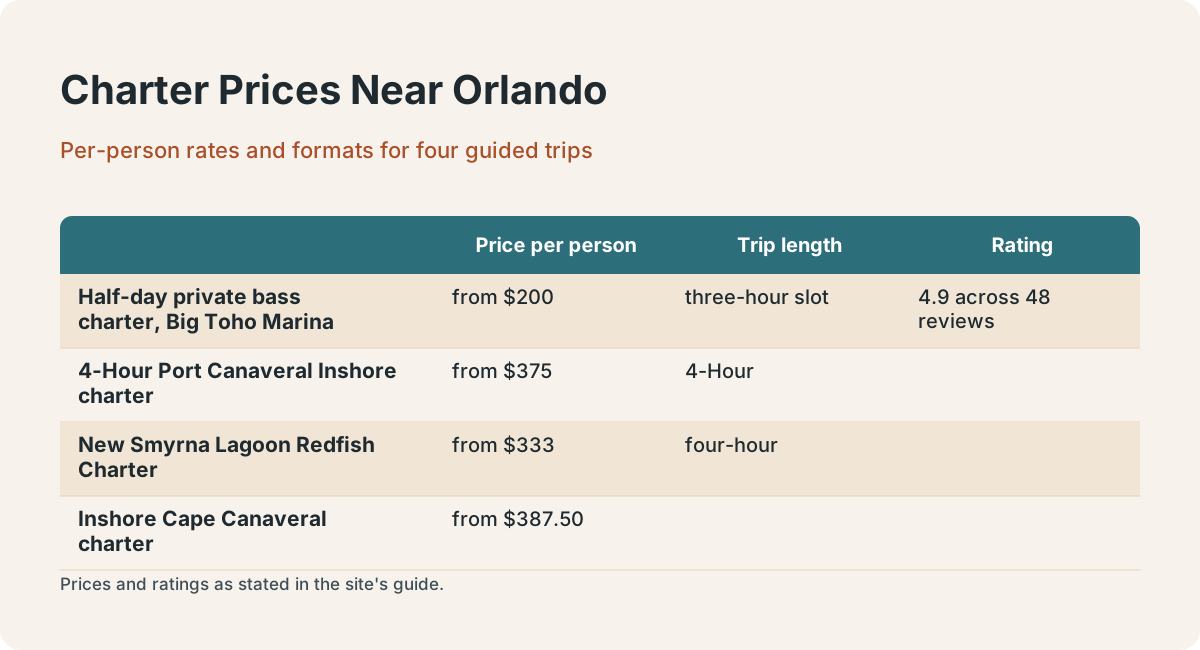
However you match the month, Fishing Tours Orlando exists to make that pairing honest: every listing in the roster is a real, bookable product with its price, rating and review count stated plainly, and the season windows above come from tournament results, FWC regulation pages and current charter reporting rather than brochure optimism.
Common Questions About The Best Time To Fish Near Orlando
What Is the Best Month to Bass Fish in Florida?
February and March are the most consistent months, inside the broader January through April trophy window, because that is when the largest number of big female bass move shallow to spawn in the 62 to 75 degree water temperature range. The record 2026 tournament weights on the Kissimmee Chain all fell inside this window.
Is Fishing Good Near Orlando in the Summer?
Yes, though the pattern shifts. Bass school over deeper water and feed hardest at dawn and dusk, with guide reports from Lake Toho in late June 2026 noting 15 to 25 bass per morning including fish over 9 pounds. Offshore, summer is prime mahi season on weed lines, and the inshore lagoon stays productive for catch-and-release redfish and snook.
What Is the Best Month for Redfish Near Orlando?
October is repeatedly singled out as one of the finest months for large redfish schools on the lagoon flats, and the broader cool season from October through May is the prime stretch. Redfish are available year-round, but note that the Indian River Lagoon management region is catch-and-release only for redfish.
When Is Mahi Season From Port Canaveral?
May is the peak month, with a second strong run from August through October. By mid-September 2026, mahi, wahoo and blackfin tuna were already appearing off Port Canaveral, with bigger concentrations expected on temperature breaks and weedlines starting around 100 feet of depth.
Do I Need a Fishing Licence in the Best Month I Pick?
On saltwater charters, inshore and offshore alike, a paying passenger on a licensed for-hire vessel is exempt from needing their own licence, though you should ask your captain to confirm. On freshwater bass charters there is no exemption: every angler needs their own Florida freshwater licence, with a non-resident 3-day licence at $17, or you can fish the licence-free freshwater weekends of April 3-4 and June 12-13, 2027.
Is There a Bad Month for Fishing Near Orlando?
No month is a write-off. The weakest stretch for trophy bass is mid-summer, when fish go deep and the midday bite slows, and the lagoon's hottest September water has occasionally triggered localized fish kills. But every month carries at least one peaking fishery, which is the core argument for matching your charter category to the calendar rather than avoiding any particular time.