Is 4 Hours Enough For Deep Sea Fishing Near Orlando?
An honest comparison of real deep sea charter durations from Port Canaveral, what four hours actually gets you offshore, and why the Orlando-area offshore listings run 5-9 hours instead.
 By Fishing Tours Orlando Editorial Desk, Orlando fishing charter research and booking desk
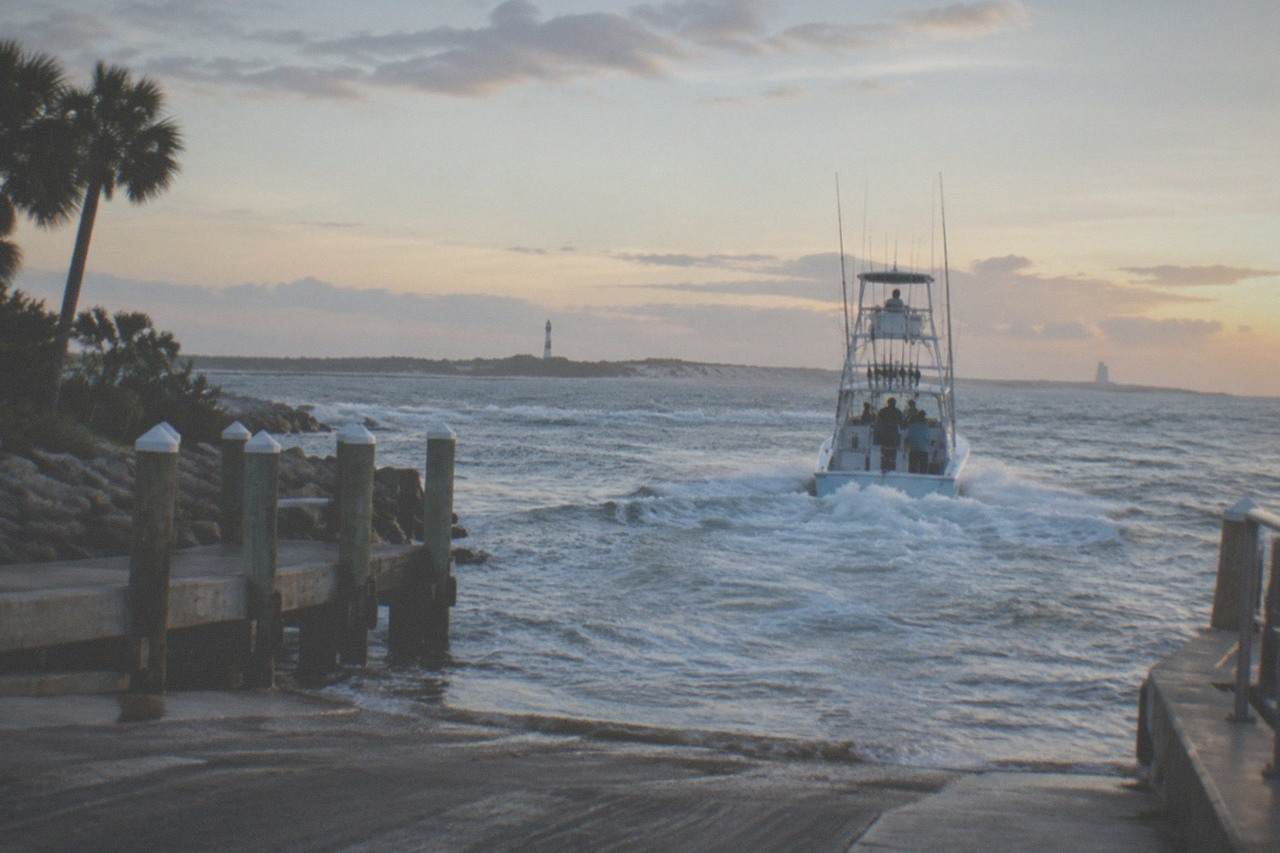
Is 4 Hours Enough For Deep Sea Fishing Near Orlando?
No, and the honest reason is arithmetic rather than opinion: Port Canaveral sits 45-60 minutes from Orlando by road, and the productive offshore water off the Space Coast starts well past the nearshore bar, so a four-hour window leaves barely two hours of lines-in time. The two deep sea listings in this roster run 5-9 and 5-7 hours for exactly this reason, and neither is a bare four-hour trip.
That is not a marketing upsell, it is geography. The Atlantic off Cape Canaveral slopes gradually, and the reef lines, wrecks and temperature breaks that hold pelagic fish sit far enough out that a charter burns a real slice of its day just getting there. A four-hour inshore trip works because the lagoon fishing starts minutes from the ramp; a four-hour offshore trip spends its first hour and its last hour in transit, which is why no legitimate operator in this roster sells one.
The distinction matters for Orlando visitors especially, because the drive itself eats into the day. Plan 45-60 minutes each way on the SR-528 Beachline, more on cruise-embarkation mornings when port traffic thickens. A four-hour offshore window, on top of that commute, would leave you with a shorter fishing day than a half-day bass trip on Lake Toho costs you in total travel.
So the practical answer for a visitor with limited time is not to hunt for a shorter offshore trip that does not exist, but to choose the shortest honest one and decide whether the inshore alternative fits the time you actually have. Those are the three real options, compared below.
How Long Are The Real Deep Sea Charters From Port Canaveral?
The two offshore listings bookable from Orlando run 5-9 hours and 5-7 hours respectively, and the shorter inshore saltwater alternative from Cape Canaveral runs 4-6 hours. There is no bare four-hour deep sea product in this roster, and the gap between a four-hour idea and a five-hour minimum is the single biggest planning surprise for Orlando visitors comparing charter options.
Here is the honest duration picture across the saltwater side of the roster. Note how the offshore entries cluster at five hours and up while the inshore entries start at four, which is the clearest signal of where the fishing water actually begins.
| Listing | Category | Duration | Rating | From (per person) |
|---|---|---|---|---|
| Private Deep-Sea, 5-9 Hours (Port Canaveral) | Deep sea offshore | 5-9 hours | 5.0 across 49 reviews | $725 |
| 5-Hour Deep-Sea, Budget Entry (Cape Canaveral) | Deep sea offshore | 5-7 hours | 5.0 across 2 reviews | $675 |
| Inshore Charter, License Included (Cape Canaveral) | Inshore saltwater | 4-6 hours | 5.0 across 3 reviews | $387.50 |
| 4-Hour Port Canaveral Inshore | Inshore saltwater | 4 hours | 4.0 across 4 reviews | $375 |
| New Smyrna Lagoon Redfish Charter | Inshore saltwater | 4 hours | 5.0 across 1 review | $333 |
Two things jump out of that table. First, the four-hour products that do exist are all inshore: lagoon and nearshore trips where the boat is fishing within fifteen minutes of leaving the dock. Second, the most-reviewed offshore listing, the private 5-9 hour charter with 49 reviews, is also the most flexible, because a 5-9 hour range usually means you can pick a five-hour slot and still be fishing genuine offshore water.
The budget entry, a 5-7 hour deep sea trip from Cape Canaveral at $675 per person, is the shortest genuine offshore product in the roster. Its review pool is tiny, two reviews, so treat the 5.0 plainly rather than as a proven track record. What it does prove is the floor: even the cheapest, shortest offshore option runs five hours, not four.
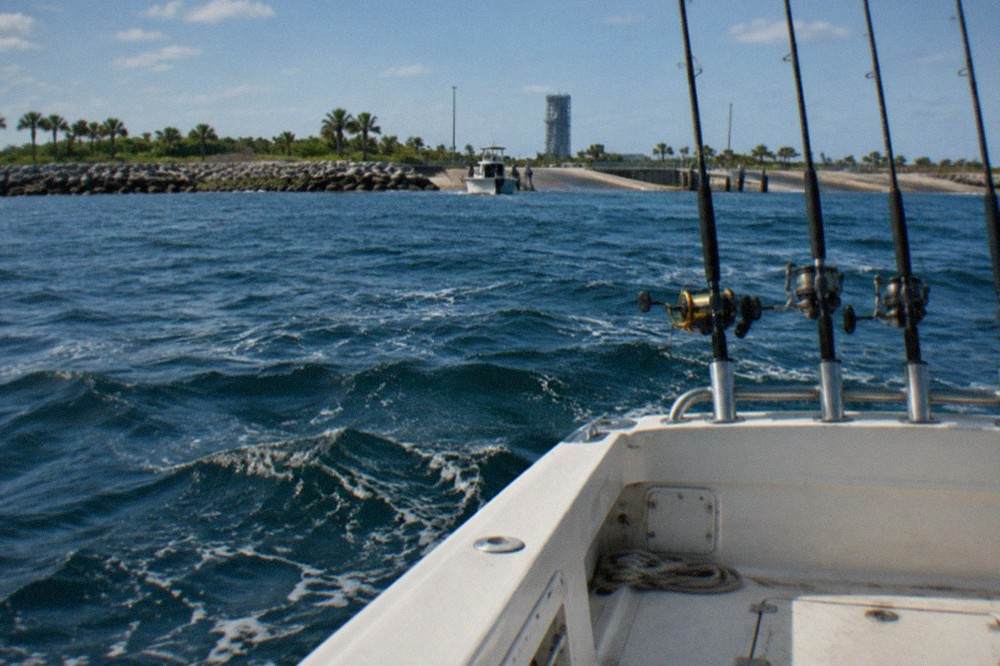
The duration ranges also deserve a word of explanation, because a spread like 5-9 hours can look vague if you are used to fixed tour slots. In practice, flexible-length offshore charters let you choose the day's length when you book or with the captain beforehand, and the price scales with the option you pick. The listing titled as an 8-hour trip on the freshwater side of this roster shows the same pattern: the page offers shorter flexible slots at lower prices. On the offshore side, the private charter's range is the equivalent, and the operator's live listing shows the exact slot prices before you commit.
If you are weighing that private charter against the budget entry, the honest framing is this: $50 per person separates a 5-7 hour trip with two reviews from a 5-9 hour trip with 49 reviews. The longer option is not automatically better, but its review pool at least tells you what dozens of previous anglers thought of the experience, which a two-review listing cannot.
What Fish Can Four Hours Offshore Actually Produce?
Realistically, a four-hour offshore window limits you to nearshore reef species, king mackerel and whatever pelagics wander close to the bar, while the mahi, wahoo, blackfin tuna and sailfish that make Port Canaveral famous sit farther out where a longer trip is required. The 2026 catch reports from the port show the pelagic action concentrated on deeper structure and temperature breaks, hours from the inlet.
The species calendar off Port Canaveral is genuinely strong, which is exactly why duration matters so much. Mahi peak in May and run strong again from August through October, sailfish spike in January, May and June, wahoo bite hard in spring and fall, and yellowfin tuna push through from early April into July. None of that happens at the dock.
The 2026 season reports make the distance point concretely. Late June reports from Port Canaveral charters described good action with kingfish and some dolphin on slow trolling near reefs such as Pelican and 8A, plus bottom catches of grouper and triggerfish. By mid-to-late September, the fall run of mahi, wahoo and blackfin tuna was starting, with fish keyed to temperature breaks and weedlines starting around the 100-foot mark and beyond. That is reachable water, but it is not four-hour water once you subtract the inlet run, the run-out and the run-back.
There is also a regulatory clock on some of the best-eating fish. The 2026 recreational Atlantic red snapper season runs October 9-22 in Florida state and federal waters, with a one-fish-per-person daily bag limit and no minimum size, and FWC closed Atlantic state waters to red snapper harvest effective September 22, 2026, ahead of the opener. Participants declare trips through the FWC reporting system, and captain and crew cannot retain snapper. If your heart is set on a specific season window like that, a longer charter gives the captain room to relocate when one reef is not producing, which a four-hour trip simply cannot do. The FWC snapper page carries the current season dates and rules.
One more honest note on the shorter side of the roster: the 5-7 hour budget deep sea entry from Cape Canaveral is the closest thing to a compressed offshore day, and at $675 per person it undercuts the private 5-9 hour charter's $725 entry point. Two reviews is a thin pool, but the product itself fills a real gap for time-pressed visitors who still want genuine offshore water under the hull.
How Far Does The Boat Travel, And How Fast?
Expect roughly an hour of total inlet-to-grounds transit even on a shorter offshore trip, and more on a full day, which is why operators price and schedule offshore charters the way they do. The run from Orlando to Port Canaveral adds another 45-60 minutes by road each way, so the whole day is longer than the fishing day itself, and honest planning should count both.
Charter crews commonly structure an offshore day as a fast run-out, a long block of fishing across multiple depths and structures, and a fast run-back. The exact distances vary with the target species and the day's conditions, and a good captain will say upfront roughly how much of the trip is transit. The 2026 reports from the port describe fish keyed to structure like the Pelican and 8A reefs on some days and to offshore weedlines and temperature breaks on others, and the spread between those zones is the whole argument for a longer charter.
The road leg is the part visitors most often misjudge. Orlando to Port Canaveral is typically 45-60 minutes via SR-528, roughly 45-54 miles, with added time possible on cruise mornings when the port itself is congested. If you book a 5-9 hour private charter, your realistic door-to-door commitment is closer to eight or nine hours even on the short end of that range. Build the day around that, not around the fishing hours alone.
This is also where the inshore alternative earns its place in the comparison. The inshore saltwater listings in the roster fish the lagoon and nearshore system where the boat is casting within minutes of the ramp, so a four-hour inshore trip is genuinely four hours of fishing. A detailed comparison lives in the site's Port Canaveral deep sea fishing guide, which walks through the offshore options in full.
What Does A Full Offshore Day Look Like Hour By Hour?
A typical five-to-seven-hour Port Canaveral offshore day splits into roughly an hour of run-out, three to five hours of fishing across two or more structures, and an hour back to the inlet, with the fishing block growing as the charter lengthens. A nine-hour day adds a second or even third zone, live-bait stops and a deeper run to the pelagic water, which is where the headline species live.
The hour-by-hour shape explains the pricing better than any brochure does. Here is how the blocks typically fall across the roster's two offshore products.
| Trip phase | 5-7 hour budget entry | 5-9 hour private charter |
|---|---|---|
| Inlet run-out | 30-45 minutes | 30-60 minutes depending on target zone |
| First fishing block | 1.5-2 hours on the nearest productive reef | 2-3 hours, often starting farther out |
| Midday move | One relocation if the first stop is slow | Multiple relocations, live-bait stops, depth changes |
| Final block | 1-1.5 hours before the run back | 2-3 hours, sometimes on a completely different species pattern |
| Run back and dock | 30-45 minutes | 30-60 minutes |
The pattern to notice is the middle row. On a compressed trip, one slow reef can define the whole day, because there is no clock left to move. On the longer private charter, a captain who burns ninety minutes on a dead stop still has hours to find the bite, and the 2026 reports from the port show exactly why that flexibility pays: some days the fish are on the nearshore reefs, some days they are on offshore weedlines, and the difference can be twenty miles of water. The rest of the planning pages sit on Fishing Tours Orlando.
That is also the honest case for the upper end of the 5-9 hour range. Anglers targeting the fall mahi and wahoo run, or the winter sailfish push, are usually asking for the longer slots, because those fish move with temperature breaks that shift day to day. If you book the short end of the range in peak season, tell the captain what you want to catch so the plan matches the slot you chose.
Can You Save Money With A Shorter Trip?
Not proportionally, because the offshore price floor is set by fuel, bait and boat time rather than hours fished: the shortest offshore listing costs $675 per person for 5-7 hours against $725 for the 5-9 hour private charter, a $50 gap for up to two extra hours of fishing. The real savings play is between offshore and inshore, where the inshore entries start at $333 to $387.50 per person.
Fuel is the honest driver of that pricing. In March 2026, Brevard County charter captains publicly discussed adding roughly $50-60 fuel surcharges as diesel and gas prices rose, and April coverage noted Florida gas averaging around $4.13 per gallon that week, with some longtime guides absorbing the cost rather than passing it on. An offshore run burns far more fuel than an inshore day, and no operator can shrink that cost by shrinking the trip to four hours, because the transit is the fuel.
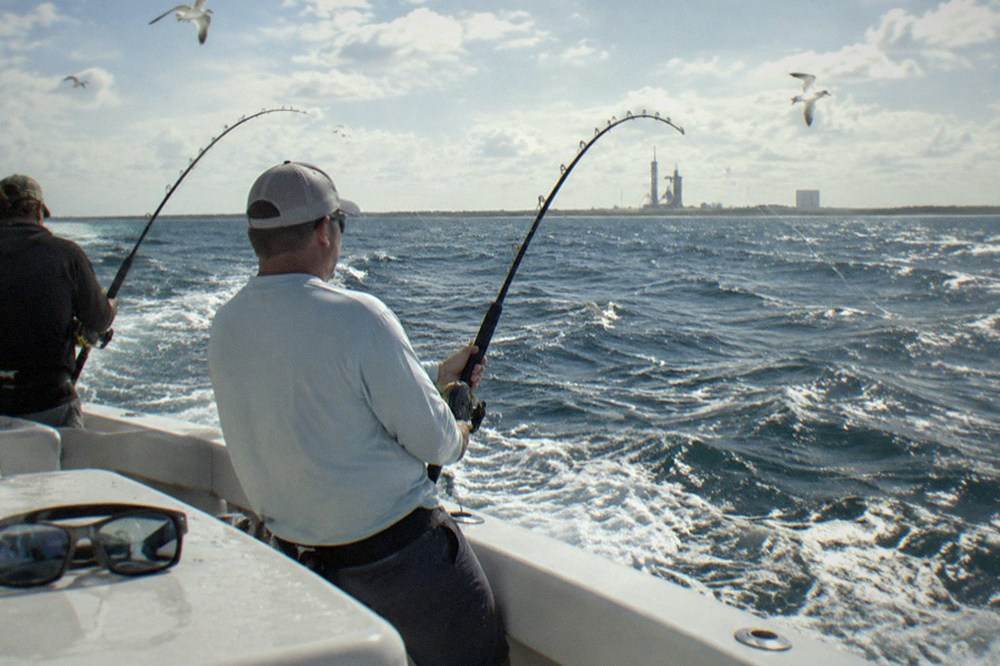
The comparison that actually saves money, if four hours is genuinely your ceiling, is the inshore saltwater category. The Cape Canaveral inshore charter with the licence included runs 4-6 hours from $387.50 per person, and the New Smyrna lagoon redfish charter runs a flat four hours from $333. Both fish the lagoon system near the coast, where redfish, snook and spotted seatrout live year-round, and both are honest four-to-six hour products because the fish are close to the ramp.
One budgeting habit worth adopting either way: tipping norms for Florida charter guides run 15-20% of the charter cost, cash preferred, with more for exceptional service or longer trips. On a $675 offshore day that is a real line item, and the site's Florida guide tipping guide breaks down the etiquette.
How Do Seasons, Closures And Licence Rules Work?
The saltwater charter licence exemption covers paying passengers on licensed for-hire vessels, so you do not need your own saltwater licence on any offshore or inshore charter in this roster, though you should ask your captain to confirm. Seasons matter more: gag grouper closed in Atlantic state waters after August 1, 2026, and red snapper reopens October 9-22, so the calendar can change what is on the table during your window.
The licence point is worth stating precisely because it is often claimed wrongly in the other direction. Per the FWC's licence requirements page, individuals saltwater fishing from a for-hire vessel with a valid charter licence are exempt from needing their own licence. That covers every saltwater trip in this roster, offshore and inshore alike. It is the opposite of the freshwater situation, where no charter exemption exists and every angler on a Lake Toho or Butler Chain bass trip needs their own licence, a distinction the site's Orlando fishing licence guide covers in full.
The seasonal layer is where a longer trip compounds its value. A captain with seven to nine hours can chase the morning bite on one structure, move when it dies, and still work a second zone in the afternoon. A compressed trip has to commit, and if the first stop underperforms, the day ends before the backup plan does. The site's breakdown of the best time of year to fish near Orlando maps the full calendar across all three fisheries.
So What Should You Book With Limited Time?
If you can stretch to five hours, book the 5-7 hour budget deep sea entry at $675 per person or the 5-9 hour private charter at $725, because both are honest offshore products. If four hours is a hard ceiling, book inshore instead: the 4-6 hour Cape Canaveral inshore charter at $387.50 or the four-hour New Smyrna redfish trip at $333 will out-fish a nonexistent four-hour offshore trip every time.
The decision tree is simple once the durations are on the table. Deep sea from Port Canaveral means five hours minimum and realistically seven to nine for the full experience. Inshore means four hours works. Freshwater bass on the Kissimmee lakes means even a two-hour short-slot charter is real, because the ramp is minutes from the fish.
For visitors basing the whole day around the trip, the private 5-9 hour charter is the one most worth stretching for. It carries the roster's deepest offshore review pool at 49 reviews with a 5.0 rating, the flexible duration lets you pick a shorter slot within the range, and the operator's live listing shows the exact options. The budget 5-7 hour entry is the value play when the calendar is tight.
And if the honest answer is that four hours is all you have, the inshore side of the same coast delivers redfish, snook and trout in a genuine four-hour format, with the same saltwater licence exemption and less than half the price. Fishing Tours Orlando exists precisely to make that kind of tradeoff visible: the durations, prices and review pools above are the real bookable facts, not aspiration.
Whichever direction you choose, book against the real durations rather than the wishful ones. An offshore day that starts at five hours and a lagoon day that starts at four are both honest products with honest prices, and the worst outcome on a fishing vacation is paying offshore money for a trip that never leaves sight of the beach.
Common Questions About Deep Sea Fishing Trip Length
is 4 hours enough time for deep sea fishing?
Not from Port Canaveral. The transit to productive offshore water consumes a large share of a four-hour window, which is why the real offshore charters in this roster run 5-7 and 5-9 hours. Four hours works well for inshore lagoon fishing, where the boat is on fish within minutes of the ramp.
Is 4 Hours Enough for Deep Sea Fishing Near Orlando?
No. The two bookable offshore listings from Port Canaveral run 5-7 hours at $675 per person and 5-9 hours at $725 per person, and neither offers a bare four-hour offshore format. Add the 45-60 minute drive from Orlando and a four-hour offshore day would leave almost no fishing time.
How many hours should a first deep sea trip be?
Five to seven hours is the sweet spot for a first offshore trip: long enough to reach the reefs and pelagic water, short enough to stay comfortable for newcomers. The 5-7 hour budget entry from Cape Canaveral fits this exactly, and the private charter's flexible 5-9 hour range lets you start at the shorter end.
Do I need a fishing licence for a deep sea charter from Port Canaveral?
No, as long as the vessel holds a valid charter licence, paying passengers are exempt from needing their own saltwater licence under FWC rules. Ask your captain to confirm before the trip. This exemption applies to saltwater charters only; freshwater bass charters require each angler's own licence.
What fish can you catch on a shorter offshore trip?
On a five-to-seven-hour trip expect king mackerel near the reefs, bottom fish such as triggerfish and grouper when seasons allow, and mahi, wahoo or blackfin tuna when the fall or spring runs are on and the captain can reach the temperature breaks. Exact catches depend on season and conditions.
Is inshore fishing a good alternative if four hours is my limit?
Yes. The inshore saltwater charters in this roster run four to six hours and fish the lagoon system for redfish, snook and spotted seatrout, starting at $333 to $387.50 per person. The saltwater licence exemption applies there too, and the shorter transit means nearly the whole trip is fishing time.